NF BlastConsult & Training
Training courses

Learn to blast safely and effectively

Short courses that give low to mid-level employees a solid grounding in commercial explosives and how to use them well, presented at your mine, training centre or online.

Surface operations · 3 days

Introduction to Surface Blasting Operations

Explosives, initiation systems, blast layouts and timing, surface mining methods, blast modelling and design, drilling, specialised techniques, environmental and health considerations, and safety and accident prevention.

R8 000per person · minimum charge of 5 people
10% discount for groups of 10 or more
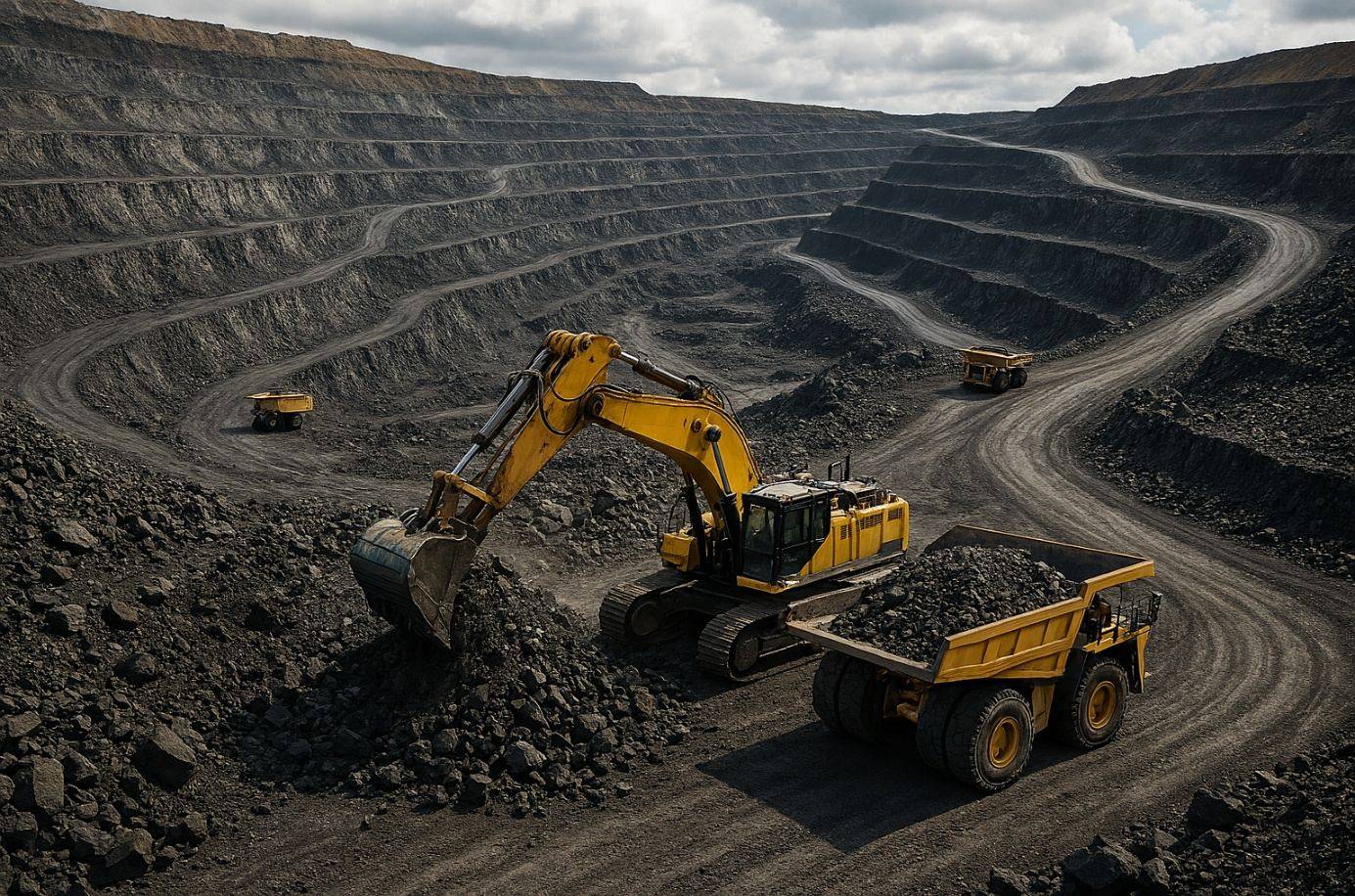
Opencast mine with excavator and haul truck

Included

  • 3-day in-person lecture
  • Colour printed course training manual
  • A6 Surface Blasting Pocket Book

Not included

  • Training venue (training centre, boardroom, etc.), supplied by the company
  • Travel and accommodation if the venue is more than 100 km from Edenvale (negotiated)
  • Outside South Africa: travel, accommodation and shipping of training materials

Online training on MS Teams or Zoom can be arranged. Shipping of training materials is not included in the online price.

What participants will be able to do

  • A basic understanding of the history of commercial explosives.
  • A basic understanding of the properties of different commercial explosives.
  • Basic knowledge of the different initiating systems, their advantages and disadvantages, and how timing accuracy affects the overall result.
  • Basic knowledge of the rock-breaking process for a single hole versus multiple holes; using rules of thumb, understand timing contours and calculate a timing pattern for a blast design.
  • A clear understanding of the different surface mining techniques and the machines used with each.
  • The ability to design a surface blast using rules of thumb.
  • Basic knowledge of drilling blast holes and the factors that influence accuracy.
  • The ability to calculate ground vibration and airblast from a blast design, as well as the flyrock risk circle, and explain how to mitigate them to ensure public safety and comply with the OHS Act.
  • Basic knowledge of the causes of accidents in mining as they relate to the use of explosives to break rock.

Instructional sequence

1. History and evolution of explosives
  1. Introduction
  2. Evolution of explosives
2. Explosives properties
  1. What is an explosive?
  2. Properties of explosives
  3. Rock breaking process
  4. Ammonium nitrate
  5. Bulk surface emulsion
  6. Packaged explosives
3. Basic geology and rock properties
  1. Basic geology
  2. Factors that influence the blasting results
  3. Rock properties
  4. Rock mass description
  5. Fragmentation
4. Surface initiation systems (parts 1 and 2)
  1. Requirements of an initiating system
  2. Electronic systems
  3. Pyrotechnic systems: surface shock tube, detonating cord, capped fuse, electric detonators
  4. Primers
  5. Detonator accuracy and impact on blast design
  6. Importance of accuracy: rock breaking process and fragmentation
  7. Causes of failure of initiating systems
5. Initiation and timing of blasts
  1. Factors influencing timing
  2. Blasthole interaction
  3. Multi-row blasts
  4. Timing design principles, with examples
  5. Initiation system selection
  6. Timing design with Surface Blast Designer software
  7. Golden rule: consequences of an initiator failure
6. Surface mining methods
  1. Open pit mining and quarrying
  2. Opencast (strip) mining
  3. Equipment
7. Blast design and calculations
  1. Geometry with rules of thumb
  2. Blast layouts and calculations
8. Drilling
  1. Factors in drilling performance
  2. Blast design
  3. Drilling accuracy
9. Specialised blasting techniques
  1. Highwall stability and pre-split design (example)
  2. Ramp blasting
  3. Deck charging
  4. Trenching
  5. Toe blasting
  6. Secondary blasting
  7. Other techniques: Nonex, hot furnace blasting, dimensional stone, demolition, tunnel boring machine (TBM), deepening Cape Town harbour, armour stone
10. Hot holes and reactive ground
  1. Normal blasting
  2. Spontaneous combustion (SPONCOM)
  3. Hot holes
  4. Reactive ground
11. Environmental and health
  1. Ground vibrations
  2. Airblast
  3. Flyrock
  4. Blasting fumes
12. Safety
  1. Causes of accidents
  2. Electric hazards
  3. Charging
  4. Firing
  5. Inspection
  6. Misfires
  7. Storage and transport of explosives
  8. Destruction of explosives
Underground operations · 3 days

Introduction to Underground Blasting Operations

Explosives and their properties, underground initiation systems, geology and fragmentation, tunnelling and mine development, massive mining and ring blasting, narrow reef stoping, specialised underground techniques, and safety and accident prevention.

R8 000per person · minimum charge of 5 people
10% discount for groups of 10 or more
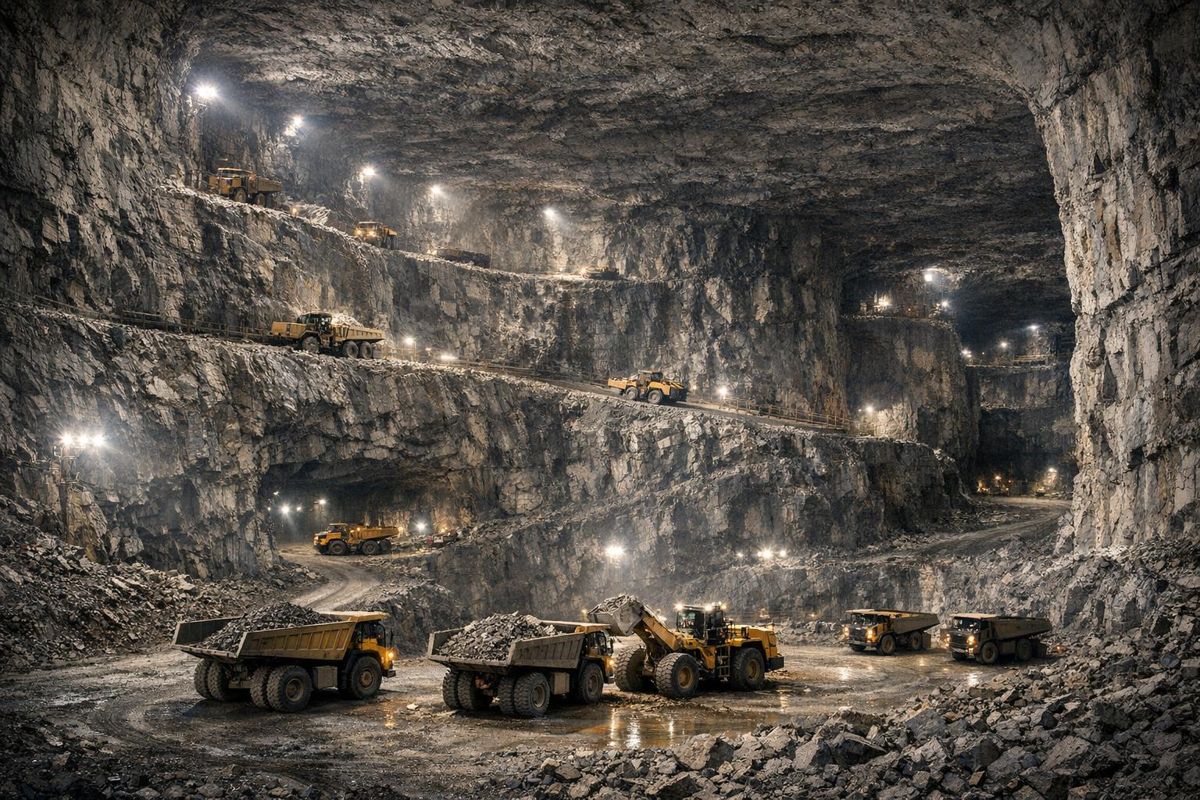
Haul trucks and loaders working in a large underground mine

Included

  • 3-day in-person lecture
  • Colour printed course training manual
  • Three A6 pocket books: Tunnel Blasting, Narrow Reef Stoping and Massive Mining

Not included

  • Training venue (training centre, boardroom, etc.), supplied by the company
  • Travel and accommodation if the venue is more than 100 km from Edenvale (negotiated)
  • Outside South Africa: travel, accommodation and shipping of training materials

Online training on MS Teams or Zoom can be arranged. Shipping of training materials is not included in the online price.

What participants will be able to do

  • A basic understanding of the history of commercial explosives and how underground mining and drilling developed with them.
  • A basic understanding of the properties of different commercial explosives, including packaged and underground bulk explosives, and the ability to calculate the mass of explosives in a blasthole.
  • Basic knowledge of the different underground initiating systems (electronic, shock tube and electric), their advantages and disadvantages, and the common causes of initiation system failures.
  • Basic knowledge of geology and the rock properties that affect blasting, and of the factors that influence fragmentation and how it is predicted and measured.
  • A clear understanding of tunnelling and mine development: cut design, perimeter blasting, drilling and the timing of development ends, and the ability to design a basic tunnelling round using rules of thumb.
  • A clear understanding of the different massive mining methods and the basic principles of ring blast design.
  • A clear understanding of narrow reef stoping: marking and drilling, the effect of drilling errors, and the charging and timing of stope panels.
  • Basic knowledge of specialised underground blasting techniques such as drop raises, secondary blasting, undercutting, pre-conditioning and reverse timing.
  • Basic knowledge of the causes of accidents underground, the identification and treatment of misfires, and the safe storage, transport, handling and destruction of explosives.

Instructional sequence

1. History and evolution of explosives
  1. Introduction
  2. Evolution of explosives
  3. Evolution of initiation systems
  4. History of underground mining and drilling
2. Explosives properties
  1. What is an explosive?
  2. The explosive reaction
  3. Properties of explosives: density and sensitivity, velocity of detonation and critical diameter, energy, fumes and oxygen balance
  4. Ammonium nitrate based explosives
  5. Packaged explosives
  6. Underground bulk emulsion systems
  7. Mass of explosives in a blasthole
3. Basic geology, rock properties and fragmentation
  1. Basic geology
  2. Rock properties that affect blasting
  3. Rock mass description
  4. Fragmentation: oversize and fines, prediction (Kuz-Ram) and measuring fragmentation
4. Underground initiation systems
  1. Requirements and choice of an initiating system
  2. Electronic systems, including centralised blasting systems
  3. Shock tube systems for narrow reef and massive mining
  4. Electric initiators and approved shot exploders
  5. Detonating cord
  6. Causes of failure of initiating systems
5. Tunnelling and mine development
  1. Requirements for tunnelling
  2. Drill and blast versus tunnel boring machines (TBM)
  3. Mine development work cycle
  4. Cut design: 9-hole and 5-hole burn cuts, cylinder cut
  5. Easers, perimeter blasting and lifters
  6. Drilling and hole diameters
  7. Timing of tunnelling rounds
  8. Practical issues in blast design review
6. Massive mining
  1. Massive mining methods: sub level stoping, bord (room) and pillar, shrinkage stoping, vertical crater retreat (VCR), cut and fill, sub level and block caving
  2. Ring blasting: design parameters and typical layout
  3. Benefits and problems with ring blasting
7. Narrow reef mining
  1. Stoping methods and controlling factors
  2. Marking and drilling: drilling patterns, hole positions, standoff and face advance
  3. Drilling errors and their effects
  4. Charging and timing: making primers, charging with cartridge explosives and ANFO, shock tube systems and the burning front
8. Specialised blasting techniques
  1. Drop raises and box holes
  2. Secondary blasting, including non-explosive methods
  3. Undercutting, including blasting through a fall of ground
  4. Pre-conditioning: method and pre-conditioning cycle
  5. Reverse timing
9. Safety and accident prevention
  1. Causes of accidents
  2. Detonator safety
  3. Misfires: indications and causes, re-entry into a misfired area, treatment and reporting
  4. Storage and transport of explosives
  5. Safe handling and shelf life
  6. Destruction of explosives
  7. Underground gases and fumes
  8. Safety do's and don'ts
Blast design software · 2 days

Software Training

Hands-on training on Ring, Tunnel or Surface Blast Designer for your engineers and blasting staff. Full course contents are being finalised; register your interest now.

R5 000per person
  • 2 days of in-person training
  • 1-month trial licence of the program
  • Travelling costs not included

Required, supplied by your company:

  • A computer or laptop for each participant that meets the minimum requirements (Windows 10 or 11)
  • A boardroom or computer room with a projector or display for the lecturer

Book a course for your team

Tell us how many people, where, and roughly when. We'll come back with a quote and available dates.